Cotton, the safe bet
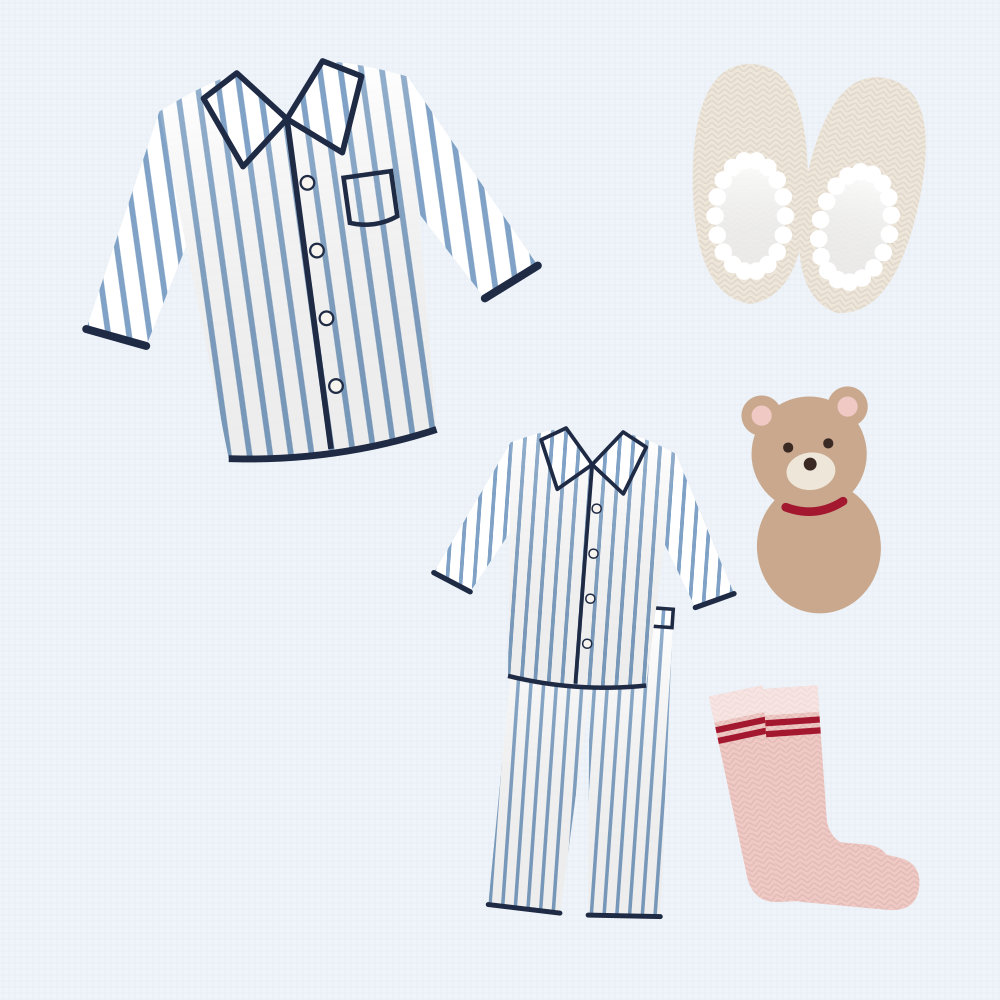
Cotton poplin, tightly woven, is cool and crisp: the fabric of the classic piped striped pyjamas. Cotton jersey, knitted, is softer and warmer. Combed or organic cotton is softer and lasts longer: worth the price difference.
Partner link · Amazon
Flannel, for winter
Flannel is cotton brushed on one side: it traps air and holds warmth. These are the pyjamas for cold bedrooms and December mornings. Flannel shrinks a little in the first wash: take your size, not smaller.
Silk and satin
Silk regulates temperature: cool when it's warm, soft when it's chilly. It's expensive and needs care, but it's the loveliest fabric to sleep in. Polyester satin imitates its drape and sheen for much less: perfect for an evening, less so for a whole night.
Partner link · Amazon
Linen and bamboo, for summer
Linen is the fabric of hot nights: it absorbs moisture, dries fast and softens with every wash. Bamboo viscose is very soft and cool, ideal for people who always run hot.
Making pyjamas last
- Wash inside out at 30°C to keep the colours.
- Skip fabric softener on silk and linen.
- Air-dry: tumble drying damages piping and shrinks flannel.
What kind of sleeper are you?
- Always hot: linen, bamboo viscose, light cotton poplin, short cuts. Avoid flannel and polyester, which hold heat.
- Always cold: flannel, thick cotton jersey, fine merino, long cuts snug at the ankles. Wool socks do the rest.
- Hot then cold in the night: silk, which regulates temperature, or light cotton with an adjustable duvet.
- You move a lot: stretchy jersey that follows you without pulling at shoulders and knees.
- Sensitive skin: organic cotton, silk, and printed rather than sewn-in labels.
Pyjama cuts
The classic notch-collar set
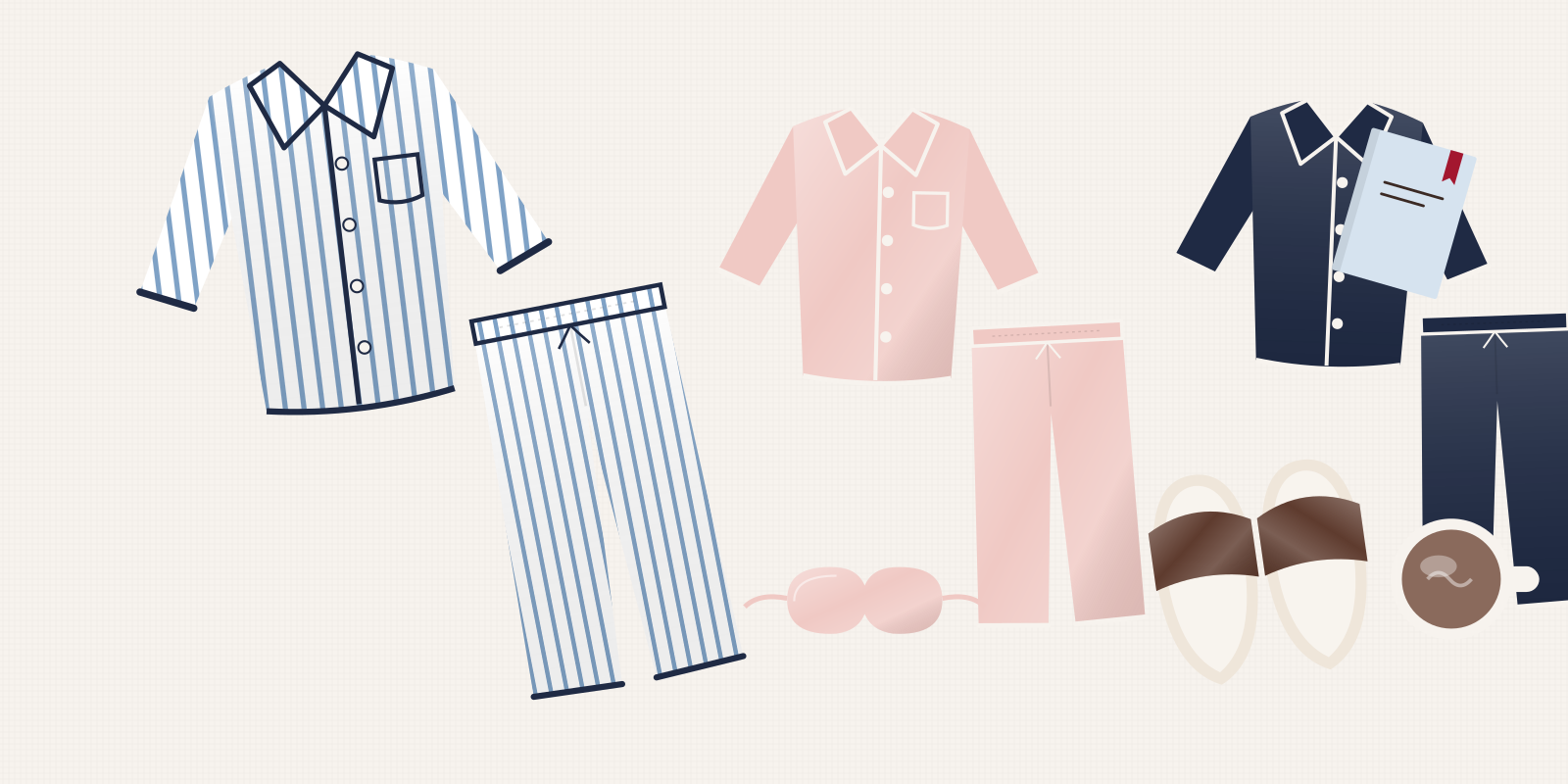
The buttoned notch-collar shirt with straight trousers is the most elegant cut. It works for sleeping and for lazy Sundays, and suits contrast piping. The one to choose if you also wear pyjamas in the living room.
Jersey pyjamas
A T-shirt or long-sleeve top with soft trousers: more relaxed, very comfortable, ideal for restless sleepers and children.
Shorts and cami
For summer or warm sleepers: in cotton, linen or satin, the lightest version of pyjamas.
The nightdress
Long or short, cotton or silk, it's back in force: it doesn't squeeze anywhere and looks very romantic, especially long with thin straps.
Partner link · Amazon
Labels worth knowing
- Oeko-Tex Standard 100: the finished fabric has been tested against a long list of harmful substances. The minimum to look for, especially for children.
- GOTS (Global Organic Textile Standard): certifies organic cotton and covers the whole chain, from dyes to working conditions.
European linen, often labelled "European Flax", is grown mainly in France, Belgium and the Netherlands with little irrigation or inputs.
The right price
Good cotton pyjamas cost around £35 to £70 for an adult, flannel about the same, silk £130 to £260. Under £20, the fabric is often polyester or very thin cotton that pills quickly. Two good pairs that last five years beat five cheap pairs replaced every winter: cheaper over time and nicer every day.
Partner link · Amazon
How many pyjamas do you need?
Three per season is enough for most people: one on, one in the wash, one spare. Add an "evening" pair in satin or silk for special nights at home, and you're set for the year. Change pyjamas two or three times a week, more often in summer or if you sweat at night.
Pyjamas for two
Sharing a bed doesn't mean sharing a temperature. One always hot, the other always cold: a common cause of restless nights. The answer isn't matching fabrics but matching colours. Linen for the hot one, flannel for the cold one, both in the same powder blue or stripe: everyone sleeps well, and the matching effect is still charming in the morning.
Matching couple pyjamas exist in many collections, in his and hers versions of one fabric. For occasions (Christmas, Valentine's, an anniversary), it's a funny and tender gift worn well beyond the day.
Partner link · Amazon
Travel pyjamas
On the road, pyjamas should be light, crease-resistant and versatile: on a sleeper train, in a hotel, at friends'. Cotton or modal jersey is ideal: it rolls into a corner of a case and comes out without a crease. Choose a dark colour and a cut that passes for loungewear if you meet someone in a hotel corridor or a friend's hallway.
Looking after silk
Silk pyjamas are an investment, and they last for years with the right care. Wash by hand in lukewarm water with a silk or wool detergent, or on a dedicated silk cycle in a mesh bag. Never wring: roll the garment in a towel to remove water, then dry flat or on a padded hanger, out of direct sunlight, which fades the colour. Iron on the reverse at a low setting, or use a steamer.
Avoid perfume and deodorant directly on silk, which can leave marks. Store folded in a drawer rather than on a wire hanger, which leaves marks on the shoulders. Over time silk softens and gains a beautiful patina: well-loved silk pyjamas are often nicer after five years than on day one. If a mark appears, take it to a specialist cleaner rather than trying stain removers at home.
Partner link · Amazon
Pyjamas for children
Children's pyjamas follow specific safety rules: they must be either close-fitting or made from fabric that meets flammability standards. Close-fitting cotton pyjamas are the most comfortable choice and avoid treated fabrics. Choose soft, breathable cotton or cotton jersey, elasticated cuffs that don't dig in, and no long ties or drawstrings. For babies, sleepsuits with poppers make night changes easier. Buy a size up for growing children, but not more: very loose nightwear isn't recommended for little ones.
Your questions
What's the best fabric for pyjamas?
Cotton, for its versatility: it breathes, washes easily and lasts. Flannel for winter, linen for summer, silk for people who run hot and cold.
Is satin nice to sleep in?
Silk satin, yes. Polyester satin is pretty and cheap but breathes poorly: keep it for evenings rather than nights.
How do I wash silk pyjamas?
By hand or on a delicate cycle at 30°C, with a wool and silk detergent, no fabric softener. Dry flat, out of the sun.
Should pyjamas be roomy?
Slightly: tight pyjamas pull at the shoulders and knees when you move. If you're between sizes, take the larger.
Which pyjamas if you run hot at night?
Linen, bamboo viscose or light cotton poplin in a short cut. Avoid flannel and polyester, which hold heat.
What does Oeko-Tex mean on pyjamas?
The finished fabric has been tested against a long list of harmful substances. A minimum for something worn against the skin all night, especially for children.
How many pairs of pyjamas do you need?
Three per season: one worn, one in the wash, one spare. Add a satin or silk pair for special evenings.
Which pyjamas for travelling?
Cotton or modal jersey, light and crease-free, in a dark colour and a cut presentable if you meet someone.
How to sleep as a couple when one is hot and one cold?
Choose different fabrics (linen for one, flannel for the other) in the same colour: both sleep well, and the matching effect remains.
Can silk pyjamas go in the washing machine?
On a dedicated silk or hand-wash cycle, in a mesh bag, with silk detergent and no spin: otherwise hand-wash in lukewarm water.
Which fabric is best for children's pyjamas?
Soft, breathable cotton or cotton jersey, close-fitting at wrists and ankles, with no long ties: comfortable and in line with nightwear safety rules.
Is bamboo good for pyjamas?
Bamboo viscose is very soft, cool and absorbent, ideal for hot sleepers, though it needs a gentle wash to keep its shape.
Are flannel pyjamas too warm for spring?
Usually yes: switch to cotton poplin or jersey from April, and keep flannel for the colder months.
Do cotton pyjamas shrink?
Slightly, especially flannel and jersey in the first wash: wash at 30°C and air-dry to keep their size.
Which pyjamas are best for eczema-prone skin?
Organic cotton or silk, with printed rather than sewn-in labels and no rough seams, washed with a fragrance-free detergent.
Was this page helpful?
Anonymous feedback: no cookie, no IP address, no account.